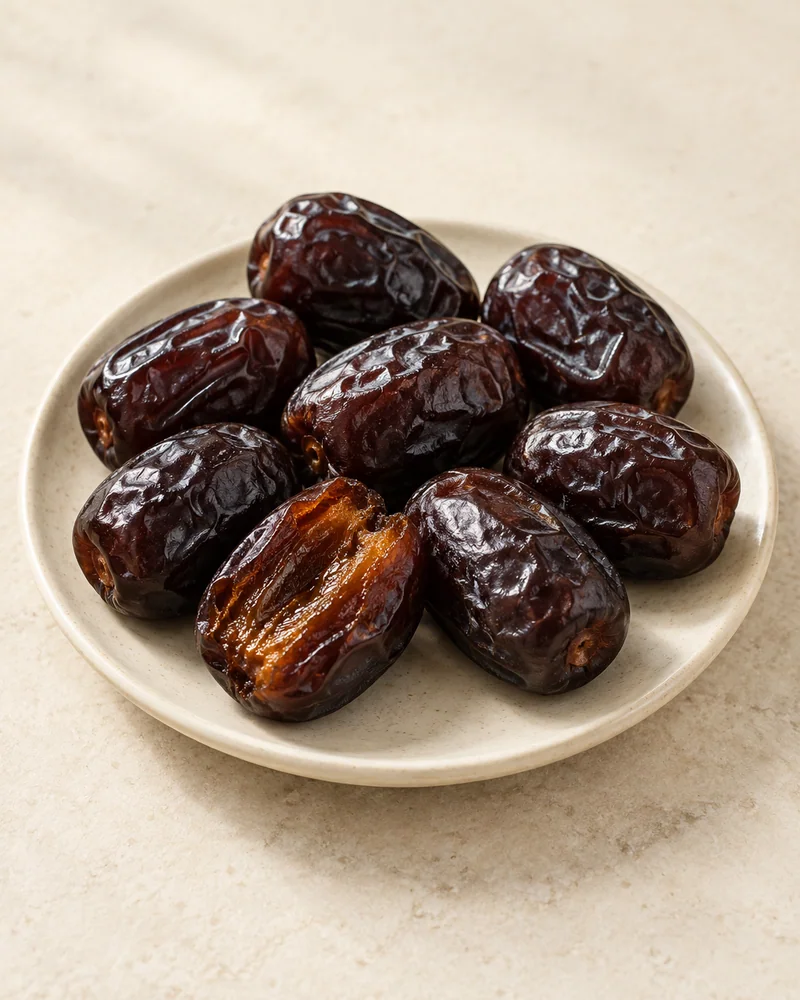
Mazafati Dates
Soft, dark and moist — the fresh-eating date of Bam, with toffee-and-cocoa sweetness.
HS 0804.10Details & enquiry
Iranian dates, nuts & dried fruit.
Ask about availabilityDates & Dried Fruit · product guide
Iran’s deserts, mountains and vineyards each give something different: soft dates from the oases of Bam, rain-fed figs from Fars, golden raisins from Malayer and ruby barberries from Khorasan. Sun-dried, never sweetened.
Iran is one of the world’s largest producers of dates and raisins, with distinct regional specialities: soft Mazafati dates from Bam, semi-dry Piarom dates from Hormozgan, golden raisins from Malayer, rain-fed dried figs from Estahban, sun-dried white mulberries, and seedless barberries (zereshk) from South Khorasan.
Products
These are product types in our developing range. Ask us about current availability, origin, grade and packing before ordering.
Soft, dark and moist — the fresh-eating date of Bam, with toffee-and-cocoa sweetness.
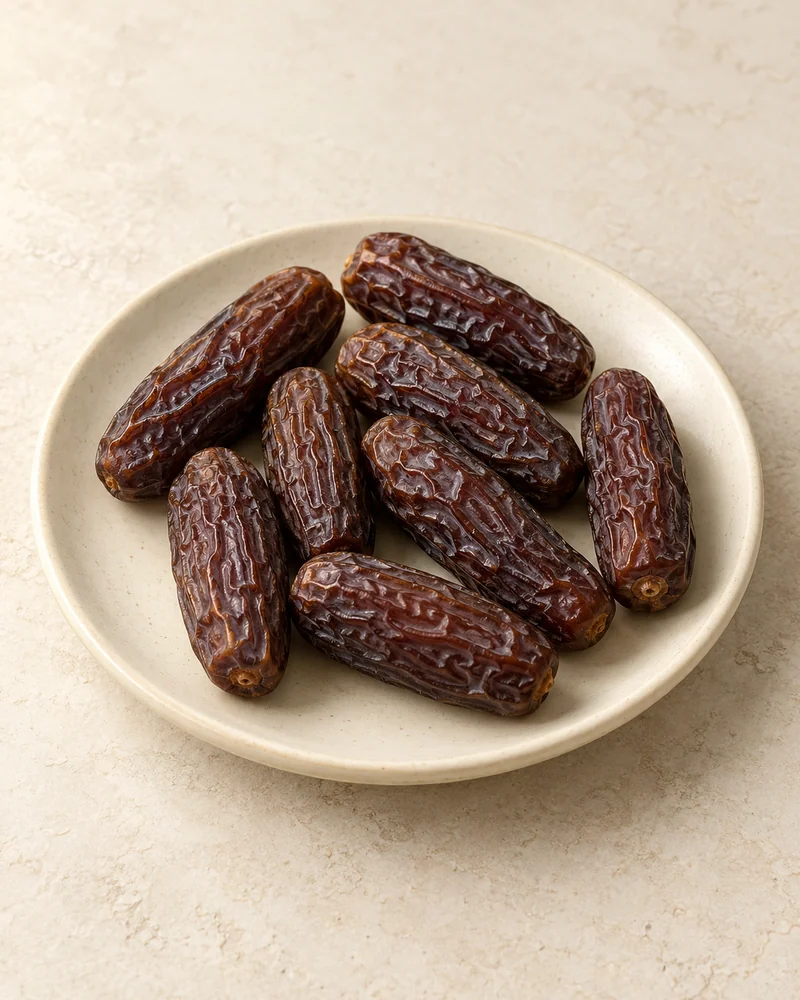
Semi-dry “chocolate dates” with a crackled skin and a deep caramel chew.

Plump, honey-coloured seedless raisins from the vineyards of Malayer.

Sun-dried white figs from the famous rain-fed orchards of Estahban.

Chewy, honey-sweet sun-dried mulberries — the soul of sweet ajil.
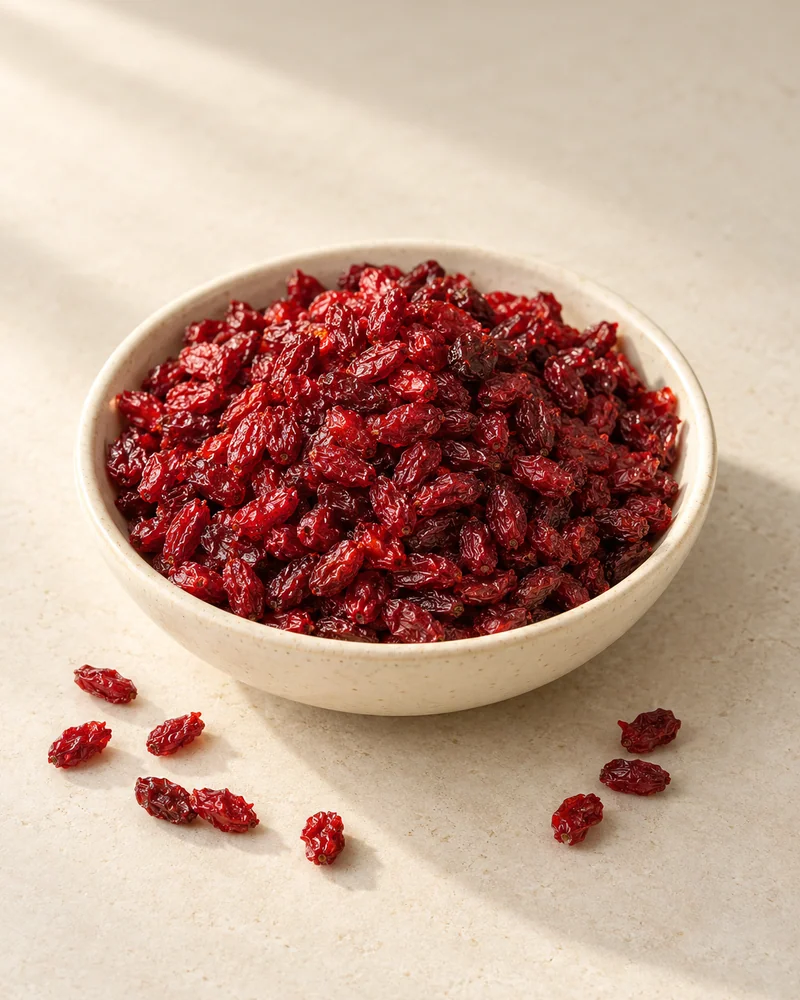
Ruby-red seedless barberries from South Khorasan — the jewel of Persian rice.
| Product | Grades | Packaging | MOQ | Supply | HS code |
|---|---|---|---|---|---|
| Mazafati Dates | Grade 1 (uniform) · Grade 2 | Discuss available packing | Confirm on enquiry | Seasonal | 0804.10 |
| Piarom Dates | Premium · Grade 1 | Discuss available packing | Confirm on enquiry | Seasonal | 0804.10 |
| Malayer Golden Raisins | Grade A · Grade B | Discuss available packing | Confirm on enquiry | Seasonal | 0806.20 |
| Estahban Dried Figs | Jumbo · Large · Medium | Discuss available packing | Confirm on enquiry | Seasonal | 0804.20 |
| Dried White Mulberries | Grade A · Grade B | Discuss available packing | Confirm on enquiry | Seasonal | 0813.40 |
| Barberries (Zereshk) | Premium · Standard | Discuss available packing | Confirm on enquiry | Seasonal | 0813.40 |
Buyer’s guide
Iran grows hundreds of date varieties. These are the ones you are most likely to meet — and how to tell them apart.
| Variety | Origin | Texture | Flavour | Storage |
|---|---|---|---|---|
| Mazafati | Bam, Kerman | Soft, moist | Toffee, cocoa | Refrigerate |
| Piarom | Hajiabad, Hormozgan | Semi-dry, chewy | Caramel, chocolate | Room temperature |
| Zahedi | Fars & Bushehr | Dry, firm | Nutty, mildly sweet | Room temperature |
| Kabkab | Bushehr | Soft, sticky | Honey, syrupy | Refrigerate |
Many Iranians drink black tea without sugar, taking a date, a dried mulberry or a few raisins with each sip instead. Try it — it changes how tea tastes.
Dried white mulberries and walnut halves, eaten together. A centuries-old snack and still one of the best.
Barberries, raisins and slivered pistachios crown morasa polo, the “jewelled rice” of Persian weddings. Fry barberries briefly in butter with a pinch of sugar.
Soft dates and barberries belong in the fridge. Piarom, figs, raisins and mulberries keep in a cool cupboard — or chilled for longer.
Origin
Larestan in Fars is the heart of our work. We own date palm groves here and also source produce from growers. Dates are our starting point as we gradually develop our range of other nuts and dried fruit.
Beneath the ancient citadel of Arg-e Bam, palm groves irrigated by centuries-old qanats produce Mazafati — a soft, moist, almost chocolate-dark date that Iranians eat fresh rather than dried.
Piarom palms grow on the hillsides around Hajiabad, between the mountains and the Persian Gulf. The semi-dry fruit has a thin, crackled skin and a toffee-like centre, and keeps far longer than soft dates.
The hills around Estahban hold some of the largest rain-fed fig orchards in the world. Without irrigation the trees produce small, intensely sweet fruit that is sun-dried on the ground and pressed flat.
Malayer is one of Iran’s great grape towns. Its seedless grapes are sun-dried or briefly dipped and shade-dried to make the plump golden and green raisins that fill every bowl of ajil-e shirin.
Eastern Iran’s Khorasan region grows the overwhelming majority of the world’s saffron. Each autumn the crocus fields around Qaen, Torbat-e Heydarieh and Gonabad bloom for just a few weeks, and the red stigmas are picked by hand at dawn. Nearby Birjand and Qaen also grow seedless barberries (zereshk).
Nutrition
Notable: Naturally sweet with no added sugar; a good source of potassium and fibre. Typical values for dates per 100 g (USDA FoodData Central). Actual values vary by crop and roast.
FAQ
Yes. Mazafati is a soft, high-moisture date, closer to fresh fruit than to a dried date. Keep it in the fridge, where it stays at its best for several months.
Natural fruit sugar crystallising on the surface. It is a sign of a well-dried fig, not mould, and it is perfectly safe to eat.
Ingredients and treatments vary by producer. Ask about added sugar, oils and preservatives for the actual fruit you are considering.
Barberries (zereshk) add a bright, sour note to Persian rice dishes — most famously zereshk polo ba morgh — as well as salads, stews and kuku.
Explore the range
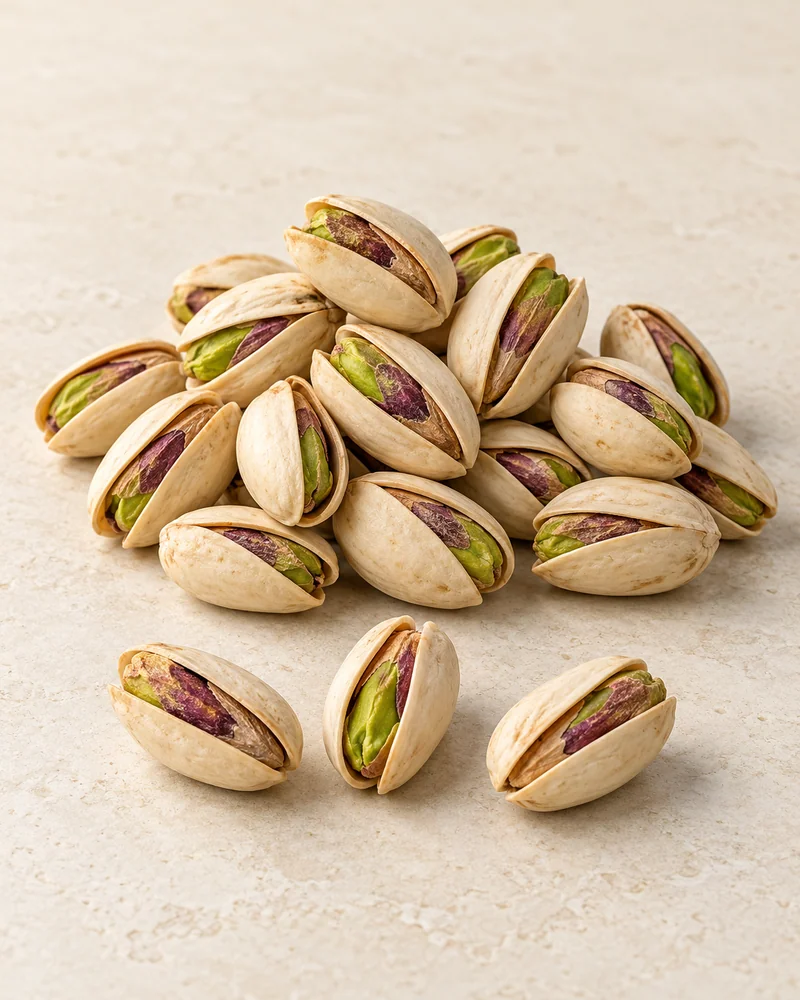
Akbari, Kalleh Ghouchi, Ahmad Aghaei & Fandoghi — explore Iranian varieties.
6 products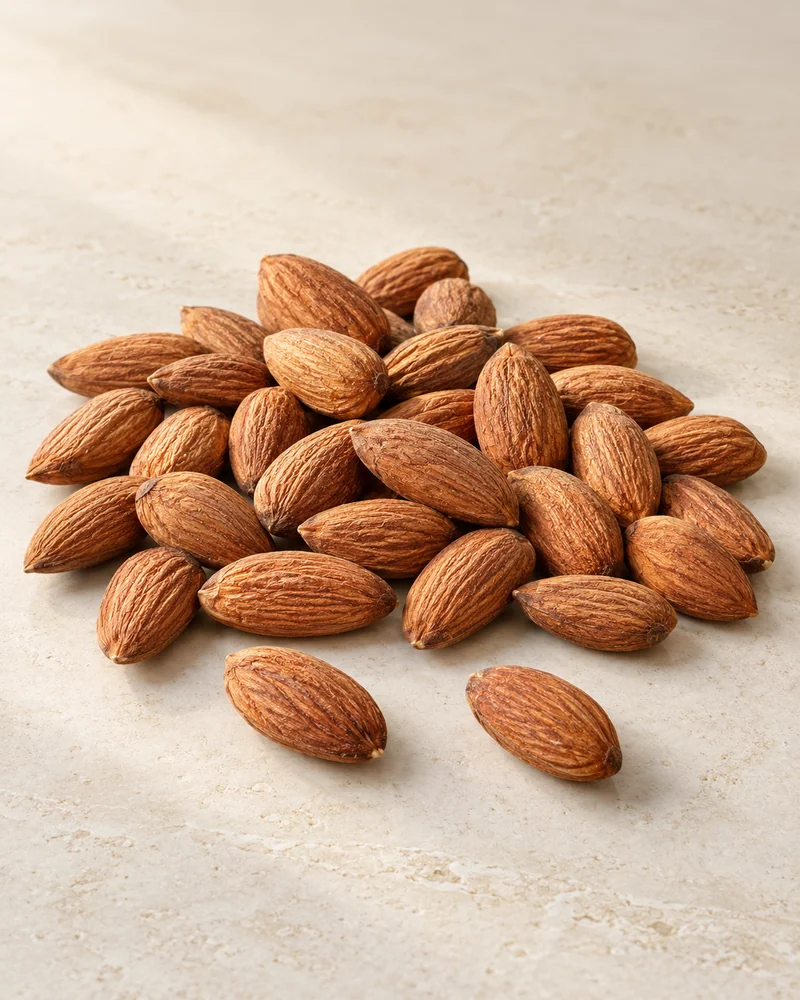
Rare Mamra kernels, paper-shell almonds and lemon-roasted classics.
3 products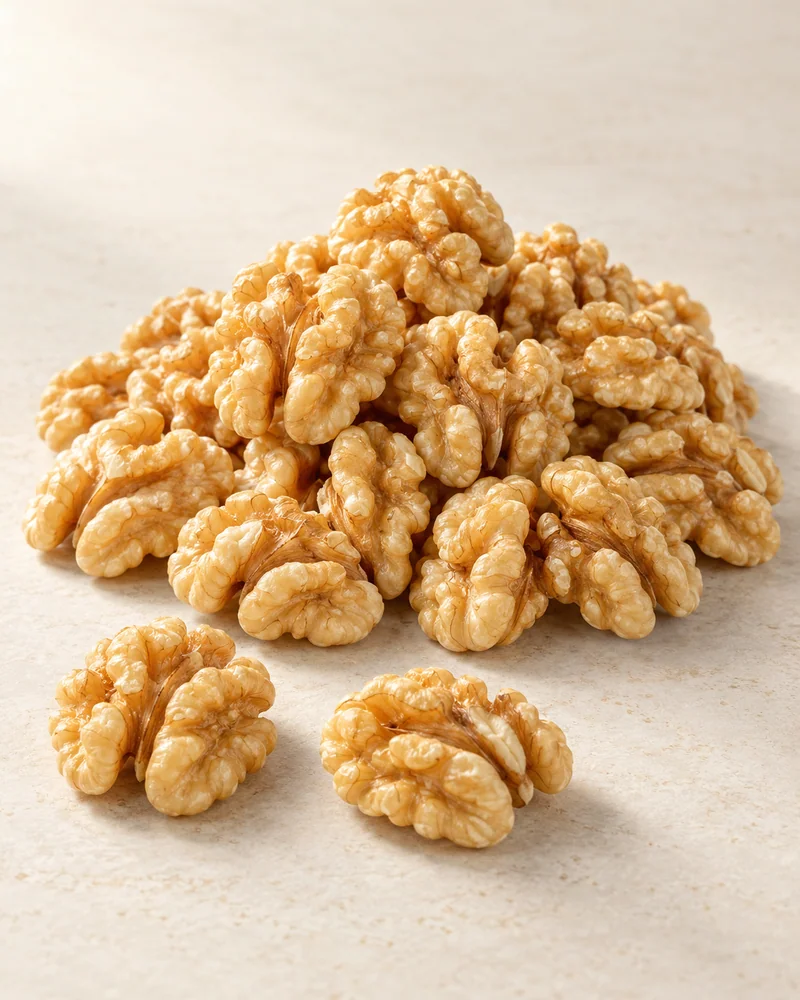
Extra Light kernels and paper-shell walnuts from Tuyserkan.
2 products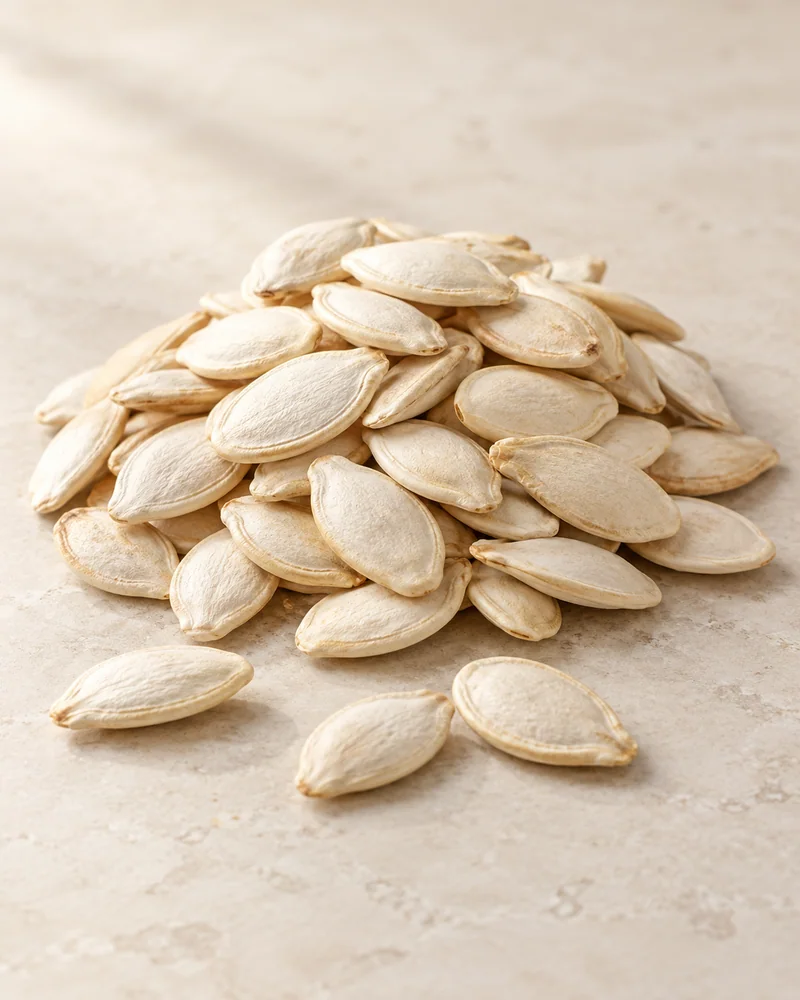
Pumpkin, watermelon and sunflower seeds, roasted Persian-style in the shell.
3 productsReady to source?