Guides
How to Store Nuts and Dried Fruit So They Stay Fresh
Heat, light, air and moisture are the enemies of a good nut. A practical guide — with a storage chart — to keeping every bag tasting like harvest week.
Key takeaways
- Nuts go stale because their oils oxidise; heat, light and air speed this up.
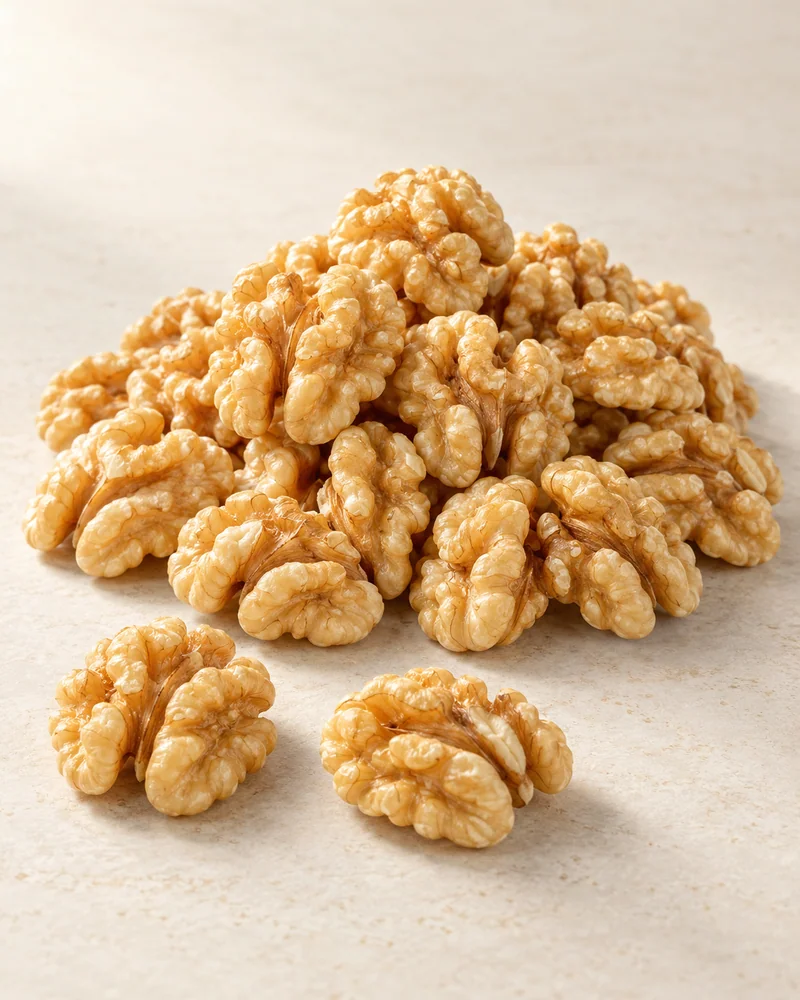
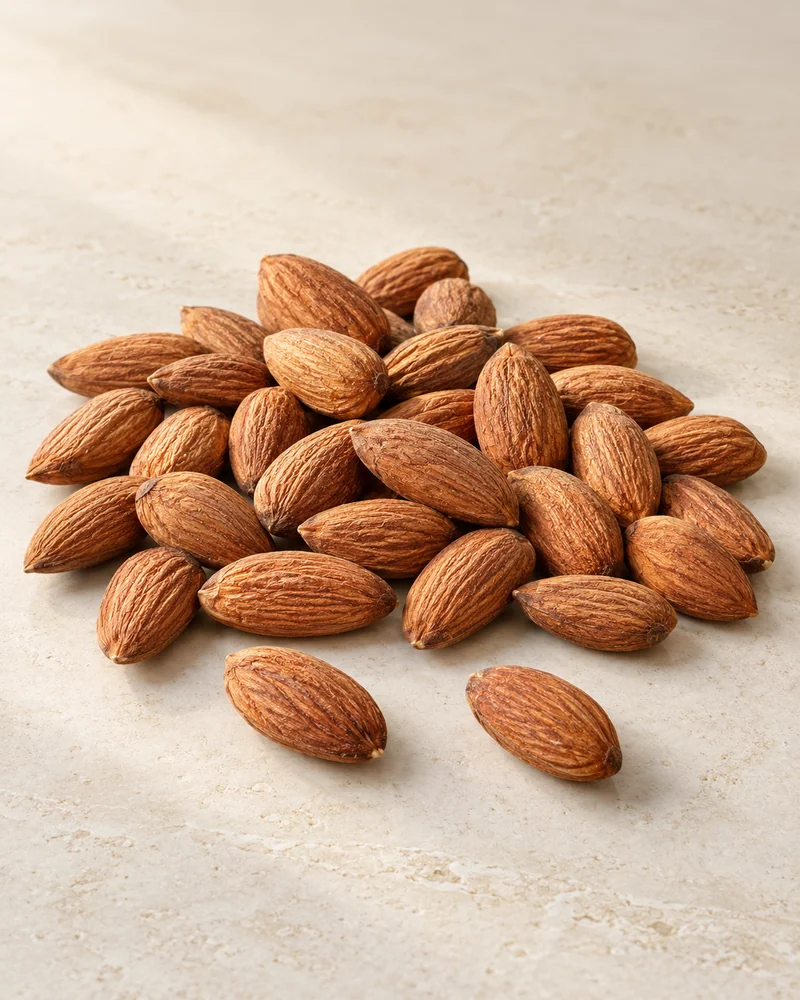
- Walnuts spoil fastest, almonds slowest. Freeze anything you will not eat within a month.
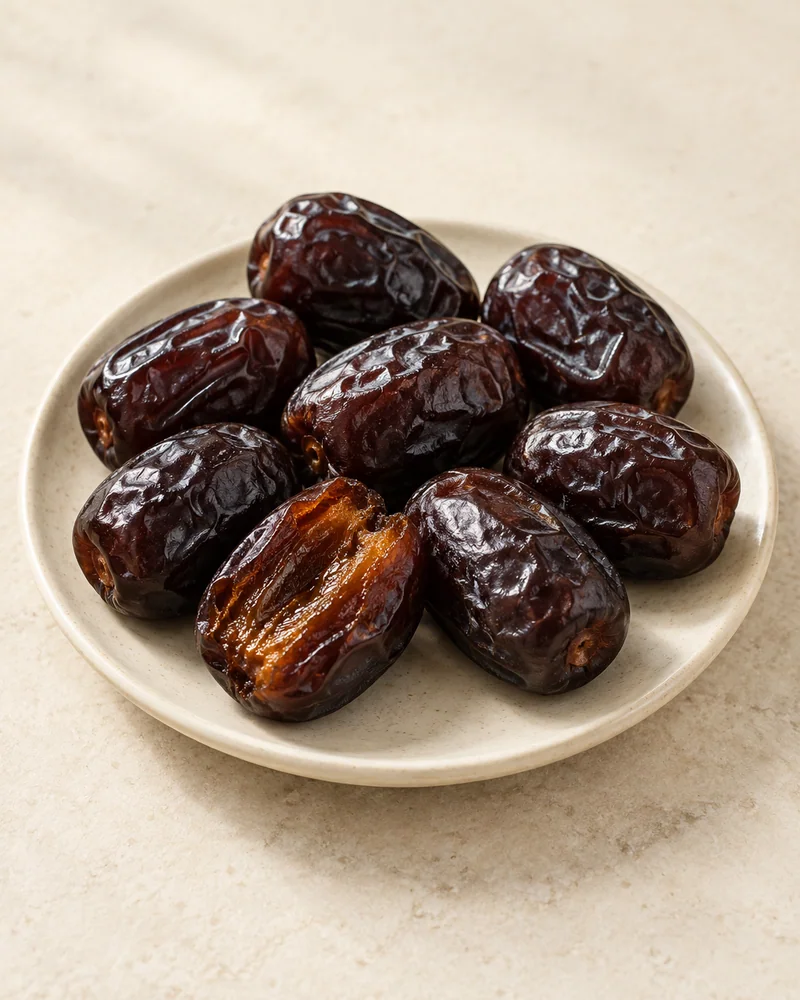
- Soft dates (Mazafati) and barberries belong in the fridge; semi-dry dates do not need it.
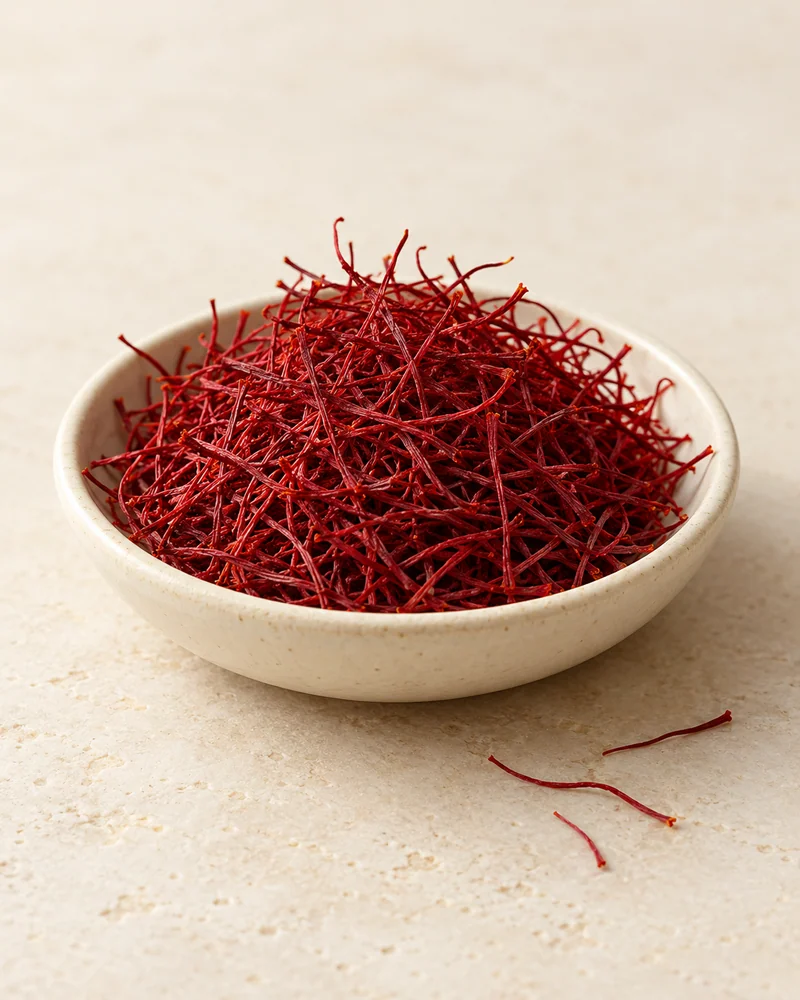
- Saffron needs airtight, dark and dry storage — never the fridge door.
A great nut can taste stale in a few weeks if it is stored badly — or stay harvest-fresh for a year if it is stored well. The difference comes down to four enemies: heat, light, air and moisture. Here is how to keep each of our products at its best, at home or in the warehouse.
Why nuts go stale
Nuts are rich in natural oils. Over time those oils react with oxygen and turn rancid — a process sped up by warmth and light. Moisture brings a second problem: softness and, in the worst case, mould. Nuts with more polyunsaturated fat (walnuts above all) oxidise fastest; almonds, with more stable fats and natural vitamin E, last longest.
Storage chart
| Product | Cupboard | Fridge | Freezer |
|---|---|---|---|
| In-shell pistachios | 3 months | 6–12 months | 12+ months |
| Pistachio kernels | 1–2 months | 6 months | 12 months |
| Almonds | 3–6 months | 12 months | Up to 2 years |
| Walnut kernels | 2–4 weeks | 6 months | 12 months |
| In-shell walnuts | 6–12 months (cool, dry) | 12 months | 12+ months |
| Roasted seeds (tokhmeh) | 2–3 months | 6 months | — |
| Mazafati dates (soft) | A few days | 6–12 months | 12+ months |
| Piarom dates (semi-dry) | 6–12 months | 12–18 months | 18+ months |
| Dried figs, raisins, mulberries | 6 months | 12 months | 12+ months |
| Barberries | 1–2 months | 12 months | 12+ months |
| Saffron | 2–3 years (dark, dry) | Not recommended | Not recommended |
Five rules for fresh nuts
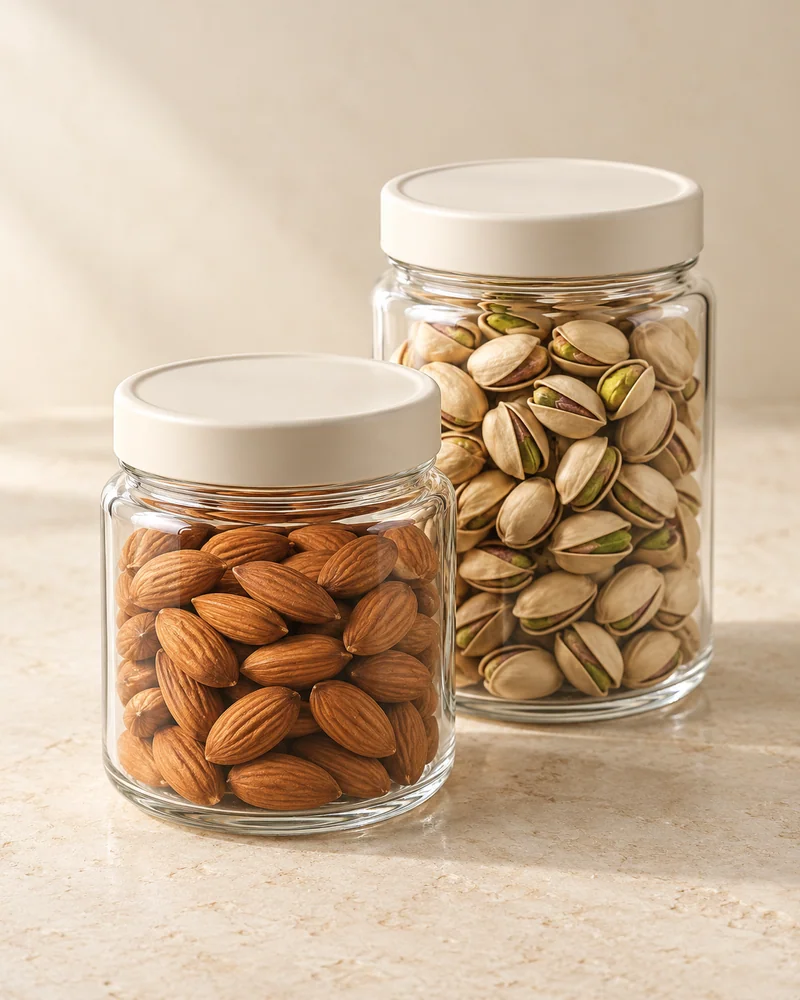
- Keep them airtight. Reseal pouches properly or decant into glass jars with good lids.
- Keep them cool. Never above the stove or in a sunny spot. If in doubt, use the fridge.
- Keep them dark. Light speeds oxidation — opaque containers or a closed cupboard are best.
- Keep them dry. Bring frozen nuts to room temperature before opening the container.
- Keep them apart. Nuts absorb odours: store away from onions, spices and coffee.
Dates, dried fruit and saffron
Soft dates such as Mazafati are closer to fresh fruit than to dried fruit and belong in the fridge.Semi-dry dates such as Piarom are happy in a cool cupboard. Dried figs and raisins may develop a white coating of crystallised natural sugar over time — harmless, and a quick soak in warm water restores them.
Saffron is the exception to the “fridge is best” rule: keep it airtight, dark and dry at room temperature, ideally in its original light-proof container.
How to tell nuts have gone bad
- Smell: a sharp, paint-like or “old oil” smell means rancidity.
- Taste: bitterness or a soapy aftertaste.
- Texture: soft, chewy or rubbery where they should be crisp.
- Appearance: visible mould, dark spots or shrivelled kernels — discard immediately.
Storage guidance for importers and retailers
In the warehouse, nuts keep best in cool (0–10 °C), dry (around 55–65% relative humidity) conditions, away from strong odours and direct light, stacked on pallets off the floor. Rotate stock first-in, first-out and keep cartons sealed until use. Vacuum and nitrogen-flushed packs — standard on our kernels — greatly extend shelf life, but cold storage remains the single best investment for quality.
Discuss packing and delivery requirements for the actual product. Suitable storage and transport depend on the produce and the journey.
First published · Last reviewed by the Nuts of Iran sourcing team in Rafsanjan, Iran.