Culture
What Is Ajil? A Guide to Persian Mixed Nuts and the Traditions Behind Them
Salted or sweet, for Nowruz or for Yalda night: everything you need to know about the bowl of nuts at the heart of Persian hospitality.
Key takeaways
- Ajil is a Persian mix of roasted nuts, seeds and dried fruit served to guests and at celebrations.
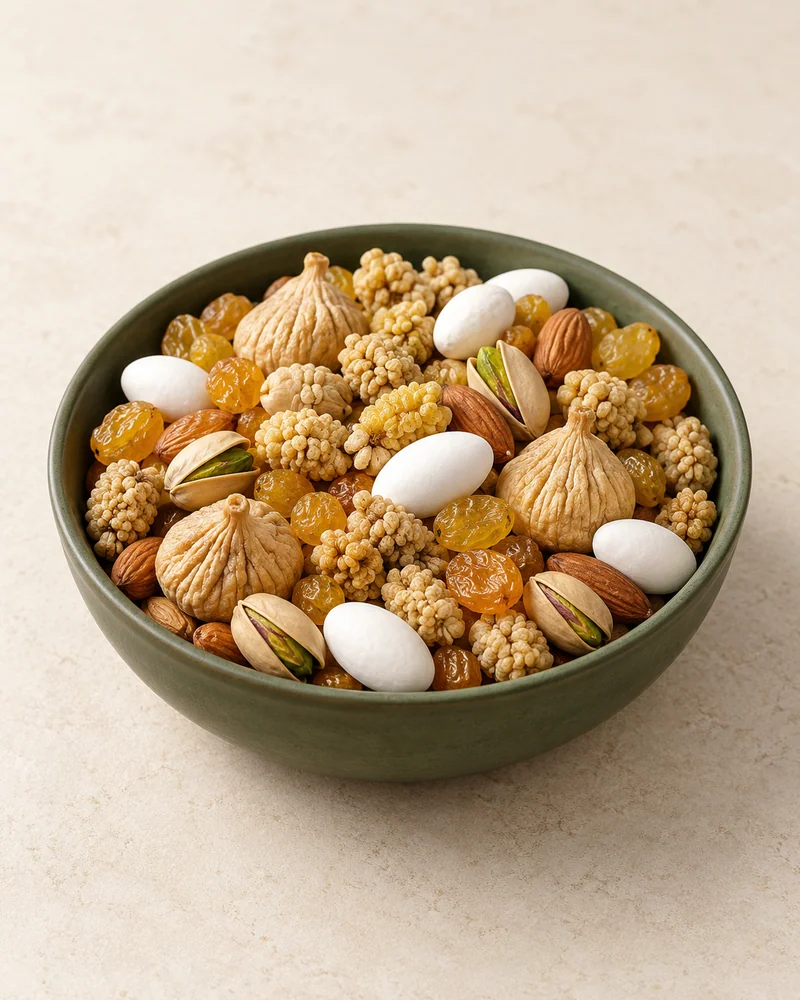
- Ajil-e shoor is salted (pistachios, almonds, hazelnuts, chickpeas, seeds); ajil-e shirin is sweet (mulberries, raisins, figs, noghl).
- Ajil is central to Nowruz, Shab-e Yalda and Chaharshanbe Suri, when “problem-solving” ajil is shared.
- Plan on 100–150 g of ajil per guest for an evening.
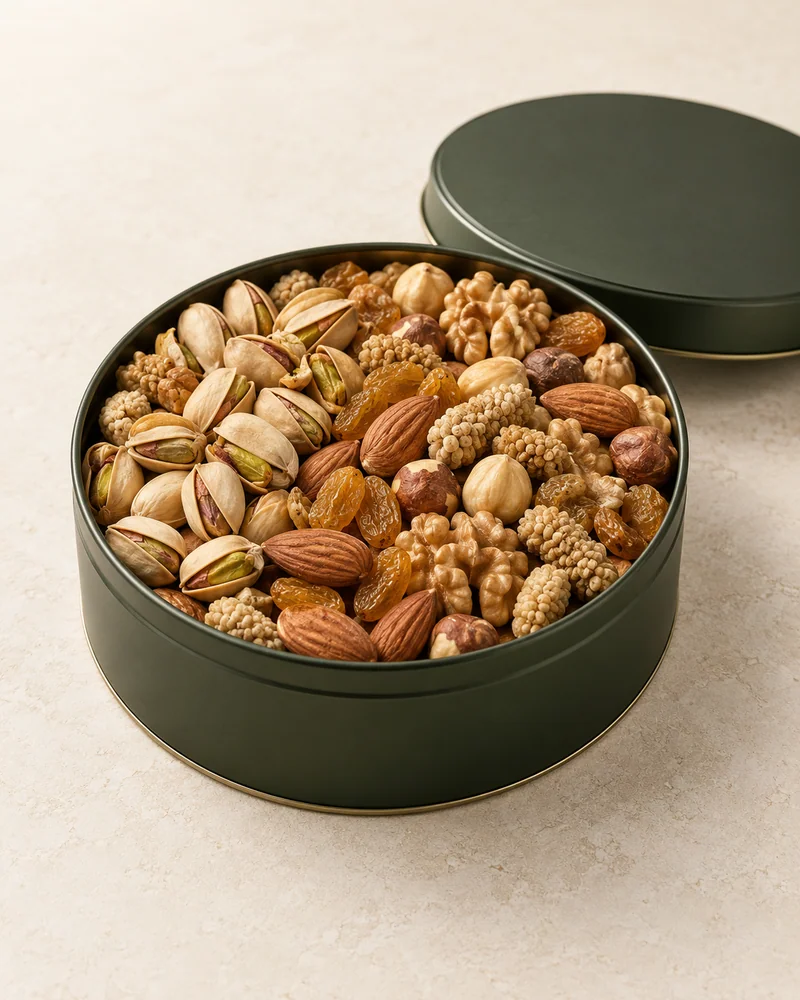
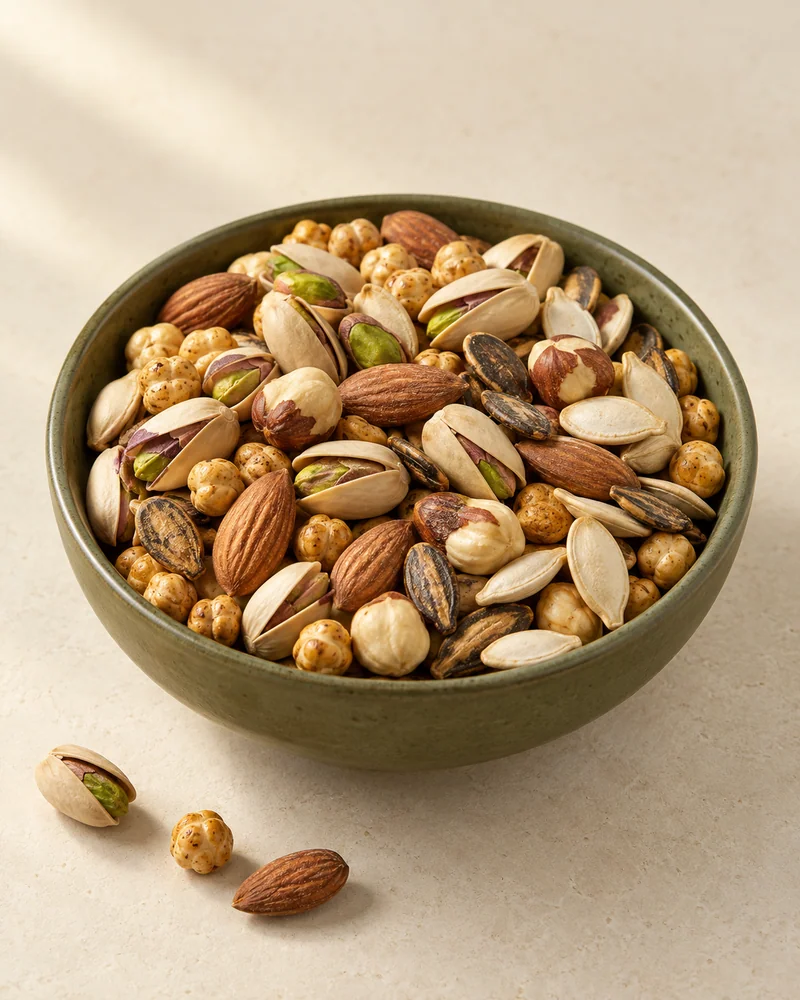
Visit an Iranian home and, before long, a wide bowl will appear on the table: pistachios, almonds and hazelnuts, roasted chickpeas, seeds to crack, perhaps dried mulberries and figs. This is ajil (Persian mixed nuts) — the traditional Persian mix of nuts, seeds and dried fruit, and one of the most recognisable symbols of Iranian hospitality.
What ajil means
Ajil is a mix of roasted nuts, seeds and dried fruit served to guests and at celebrations in Iran. The word also names the shops that sell it — the ajil-forooshi, where nuts are roasted daily and blended to order. Ajil is not a single recipe: every family and every shop has its own proportions, but two broad styles are universal.
Salted vs. sweet ajil
| Ajil-e shoor (salted) | Ajil-e shirin (sweet) | |
|---|---|---|
| Traditional name | Ajil-e Shoor | Ajil-e Shirin |
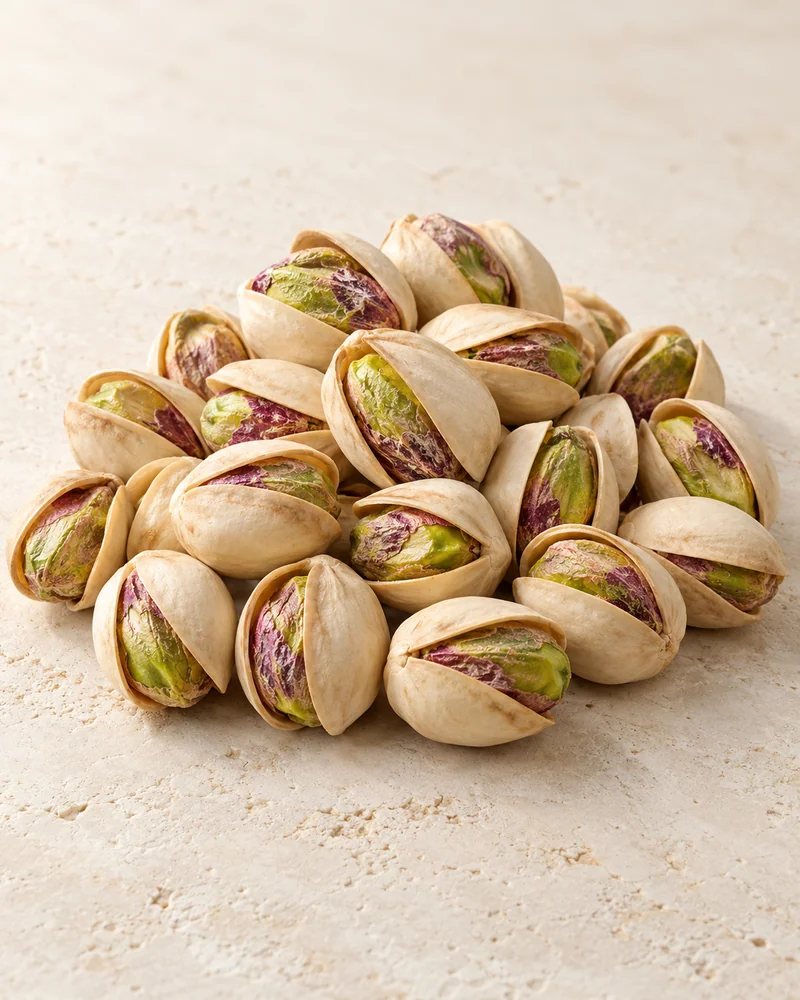
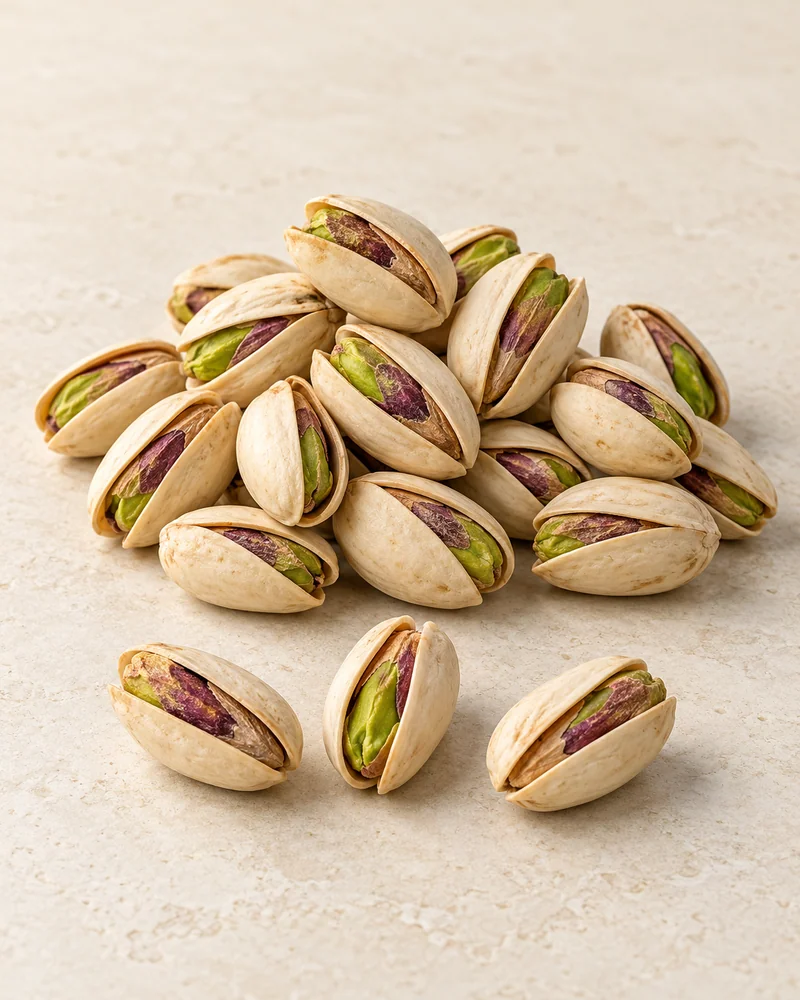
| Nuts | Roasted, salted pistachios, almonds, hazelnuts | Raw pistachios and almonds |
| Seeds & pulses | Pumpkin and watermelon seeds, roasted chickpeas (nokhodchi) | Roasted chickpeas, sometimes |
| Fruit & sweets | — | Dried white mulberries, raisins, figs, noghl (sugared almond slivers) |
| Character | Savoury, crunchy, moreish | Sweet, chewy, festive |
Salted ajil is the everyday guest bowl. Sweet ajil is more festive and especially associated with Nowruz. Many hosts put out both, in separate bowls, with a small dish for shells.
Ajil through the Persian year
Shab-e Yalda — the longest night
On the eve of the winter solstice, families gather and stay up late to see out the longest night of the year. The table holds red fruit — pomegranates and watermelon, symbols of dawn and life — poetry by Hafez, and generous bowls of ajil. In 2026, Yalda falls on the night of Monday, 21 December (30 Azar 1405).
Chaharshanbe Suri — problem-solving ajil
On the eve of the last Wednesday before Nowruz, Iranians jump over bonfires to leave the year’s troubles behind. The night’s ajil is ajil-e moshkel-gosha, “the ajil that solves problems” — a sweet mix traditionally of seven ingredients, shared with others so that wishes may come true.
Nowruz — the Persian New Year
Nowruz begins at the spring equinox (around 20–21 March) and is followed by about two weeks of visits to relatives and friends. At every house, guests are offered tea, pastries, fruit and ajil — which makes the weeks before Nowruz the busiest of the year for ajil shops.
How ajil is served
- Use wide, shallow bowls so everyone can reach — a turquoise ceramic or a cut-glass dish is traditional.
- Keep salted and sweet ajil apart, and always set out an empty dish for shells.
- Serve with black tea, fresh fruit and, at Yalda, pomegranate seeds.
- Top up the bowl before it empties — a half-empty bowl is, in Persian hospitality, a small failure of the host.
How much ajil per guest?
A practical rule of thumb is 100–150 g per guest for an evening, more for a long Yalda night. A 1 kg bag comfortably serves 6–8 people.
Ajil for retailers and importers
Iranian, Afghan and Central Asian communities abroad buy ajil year-round, but demand peaks sharply twice: in December for Yalda and in March for Nowruz. For retailers, that means planning stock well ahead — accounting for production, sea freight and customs.
Planning tip: discuss seasonal requirements early. Availability, quantities and timing need to be confirmed for each enquiry.
Explore salted and sweet ajil in our product guide and ask about current sourcing possibilities.
First published · Last reviewed by the Nuts of Iran sourcing team in Rafsanjan, Iran.